National park rules
Tickets · accredited guides · fragile archaeological sites
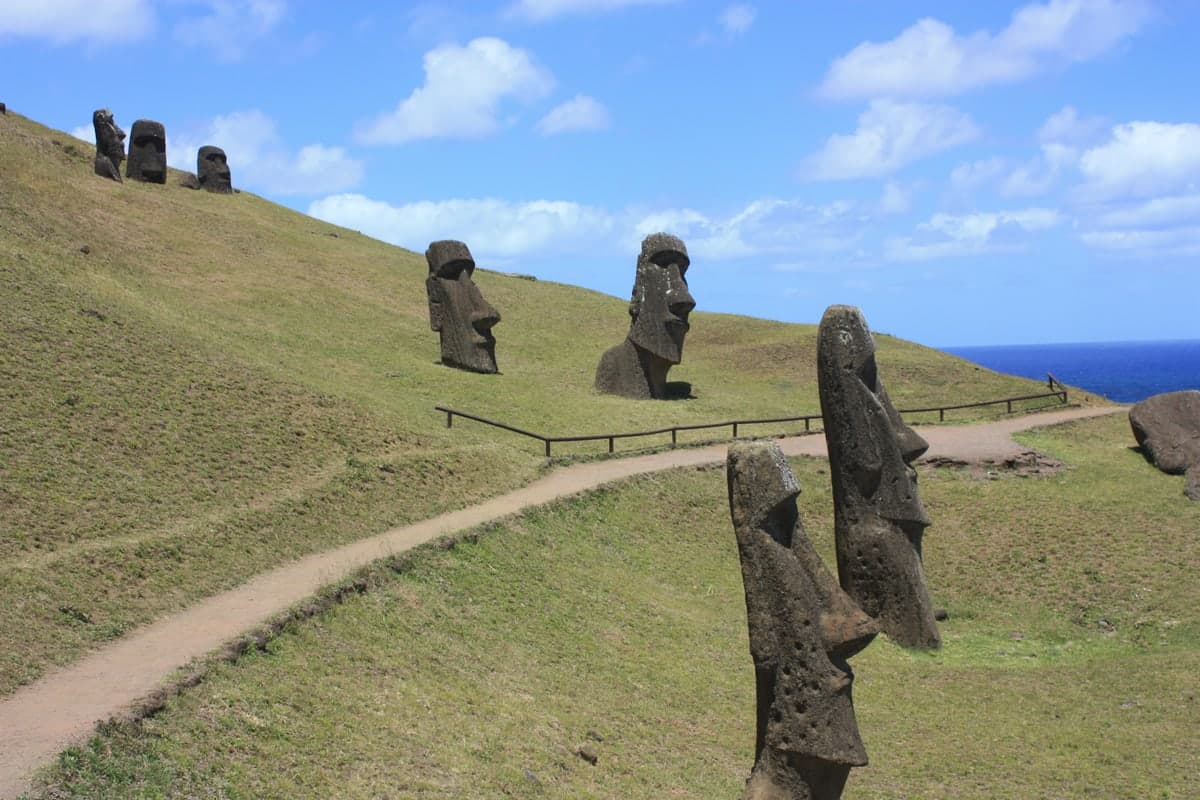
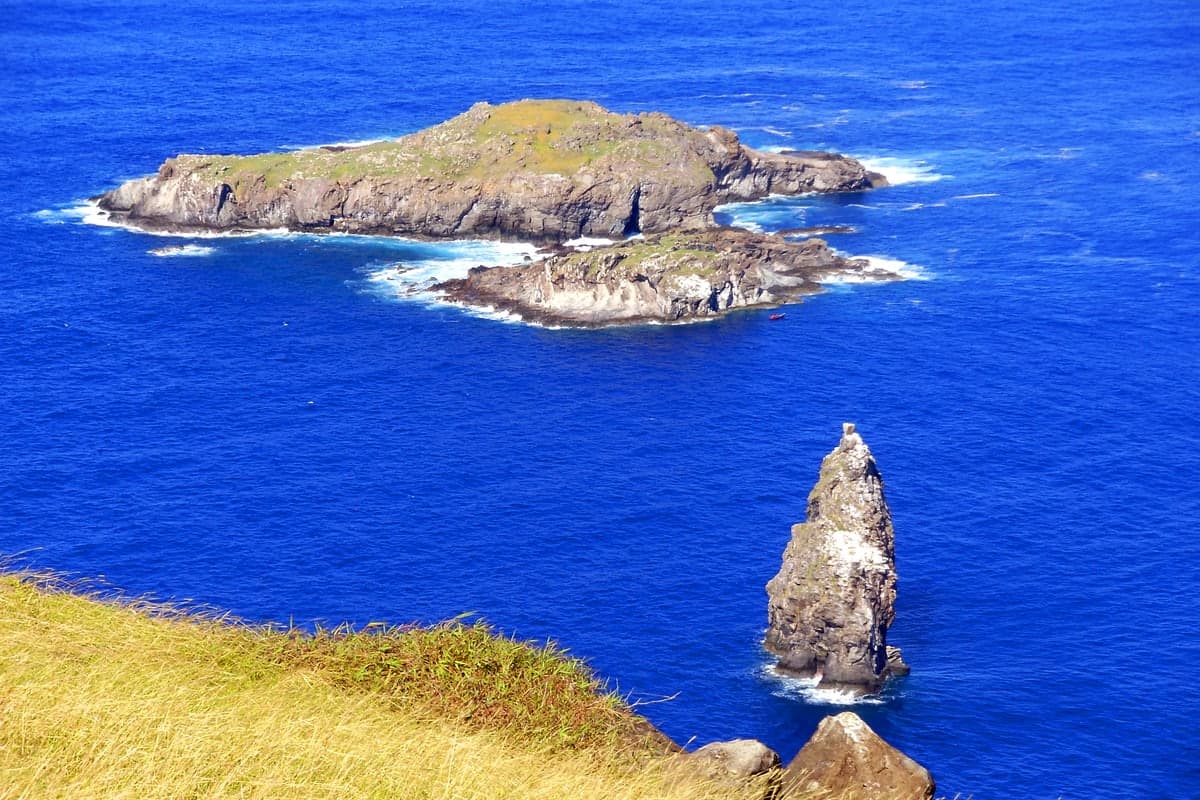
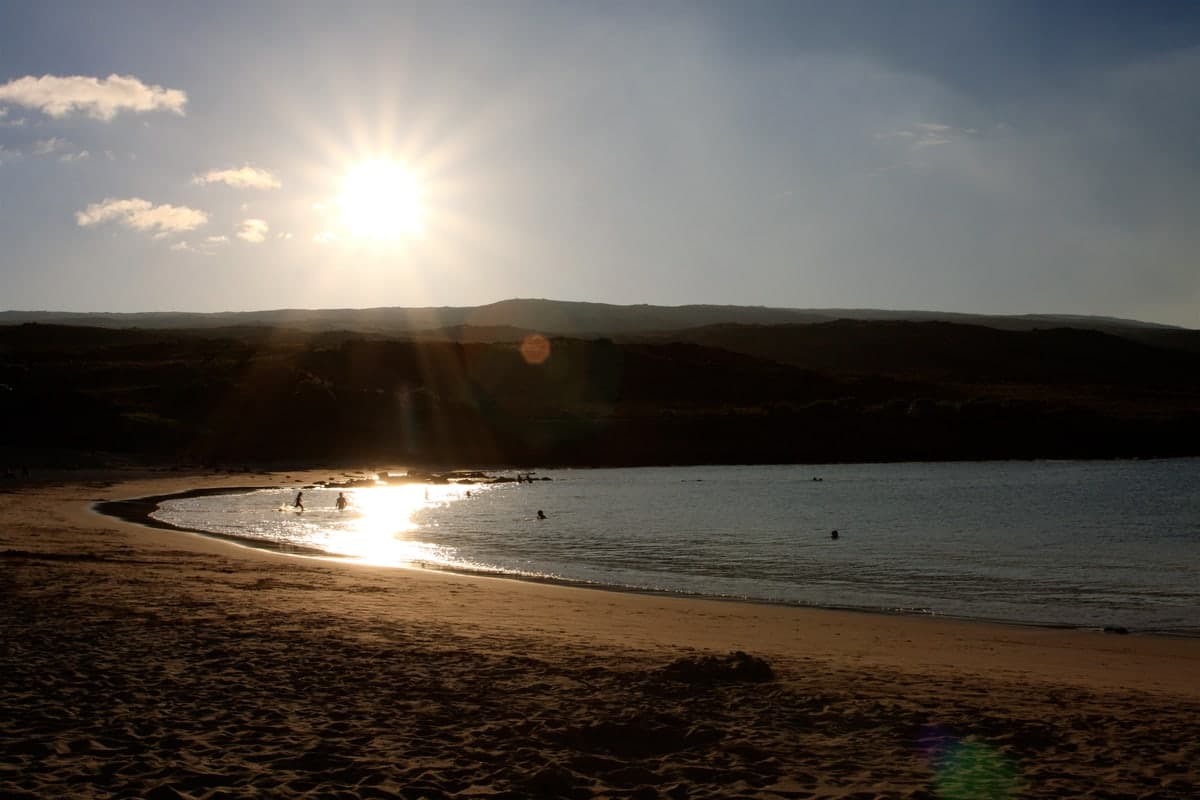
Coastal light, walking paths, and shoreline vegetation.
Important rules
Guide required
Inside archaeological sites you must stay with an authorised guide—never wander off on your own.
Ticket required
Keep your park ticket with you; controlled areas will ask for it before you enter.
The national park protects moai, ahu, villages, and volcanic landscapes on UNESCO’s World Heritage list. Rules spread visitor pressure and limit damage—check official channels before travel; details change.
Park ticket & where to buy
You need a ticket for park archaeological sectors. Buy online via the official visitor portal (often rapanuinationalpark.com) or at Ma’u Henua on Atamu Tekena, Hanga Roa.
Tickets are personal—bring ID that matches the name on the ticket. Keep it for the whole validity period and follow one-time or timed-entry rules on the ticket or at the gate.
Island entry (FUI, lodging, return ticket, etc.) is separate from the park ticket—see Entry and immigration.
Entry and immigration (this travel guide)
Accredited guide: required for most archaeological visits
You usually cannot enter protected archaeological areas alone. Most sectors, including major sites, require a guide accredited by Ma’u Henua. Guides apply rules on the ground, manage crowding, and limit harm to stone, petroglyphs, and fragile ground.
Accredited guides and operators are listed on the park visitor site. To book tours, start at Local providers → Activities → Tours.
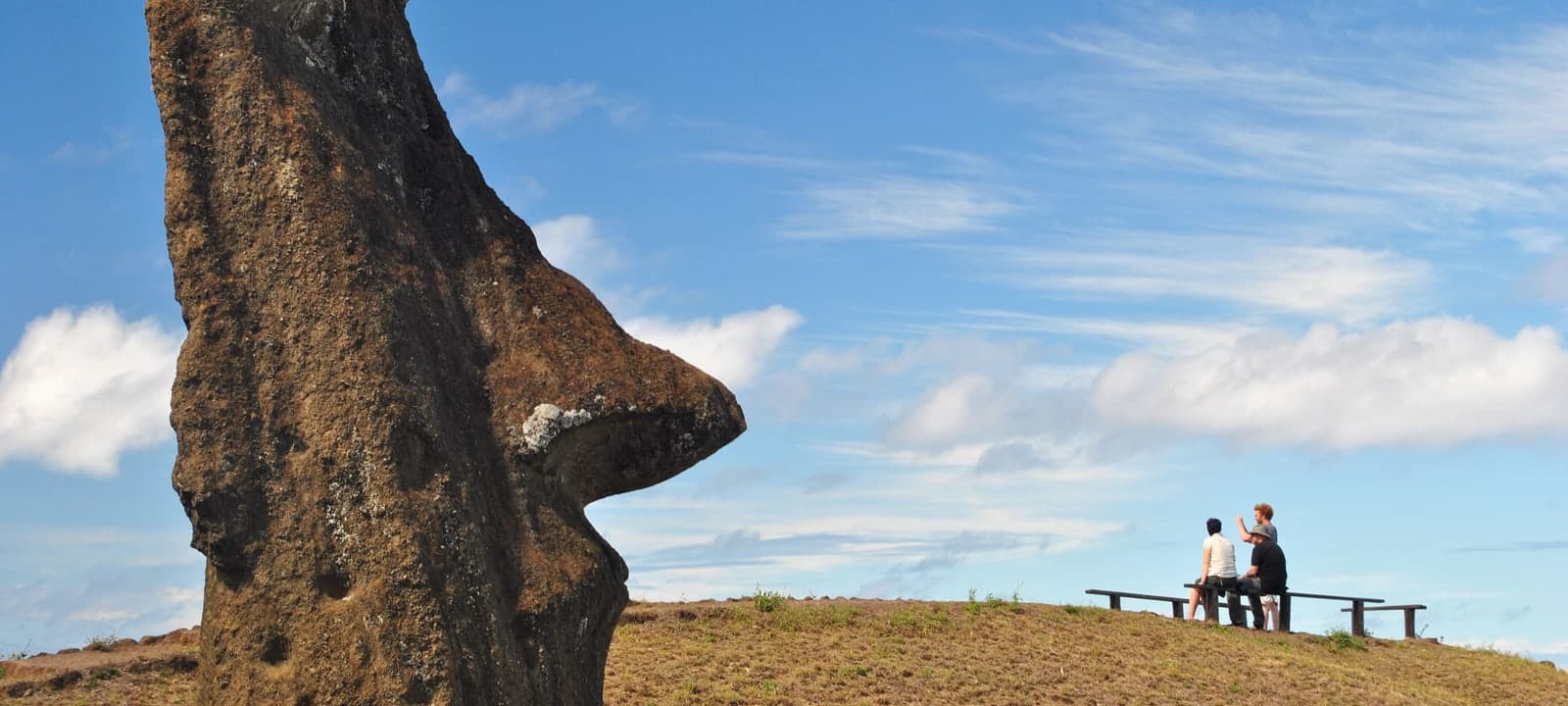
Extra-fragile sites: Rano Raraku & Orongo
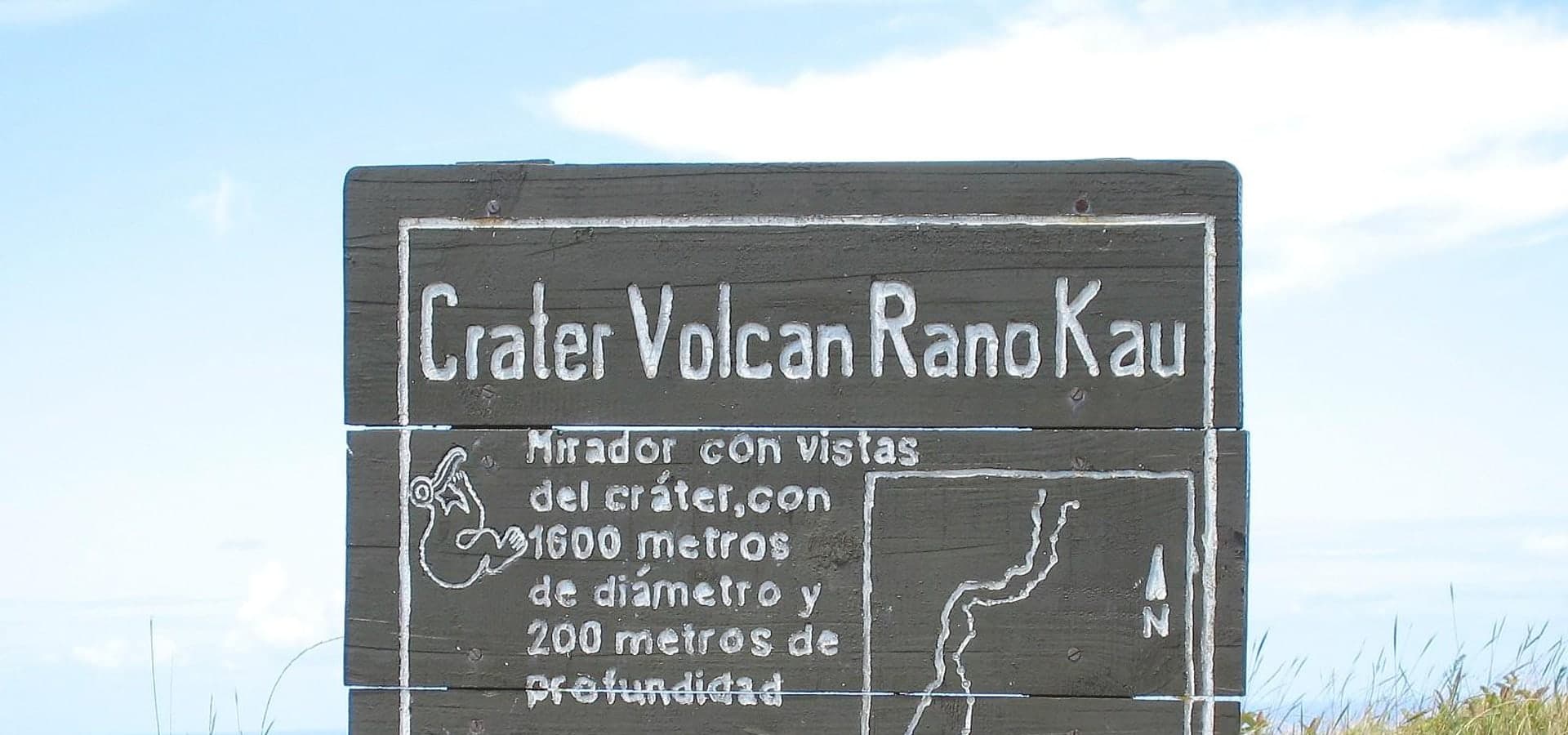
Rano Raraku is the main moai quarry; many statues still stand on erodible slopes. Orongo, on Rano Kau’s rim, is tied to Tangata Manu. Both often allow only one visit per general ticket—plan around that.
Follow your guide’s instructions on paths, stopping points, and photography. Crowding is managed for a reason—short visits reduce vibration, dust, and wear on stone surfaces.
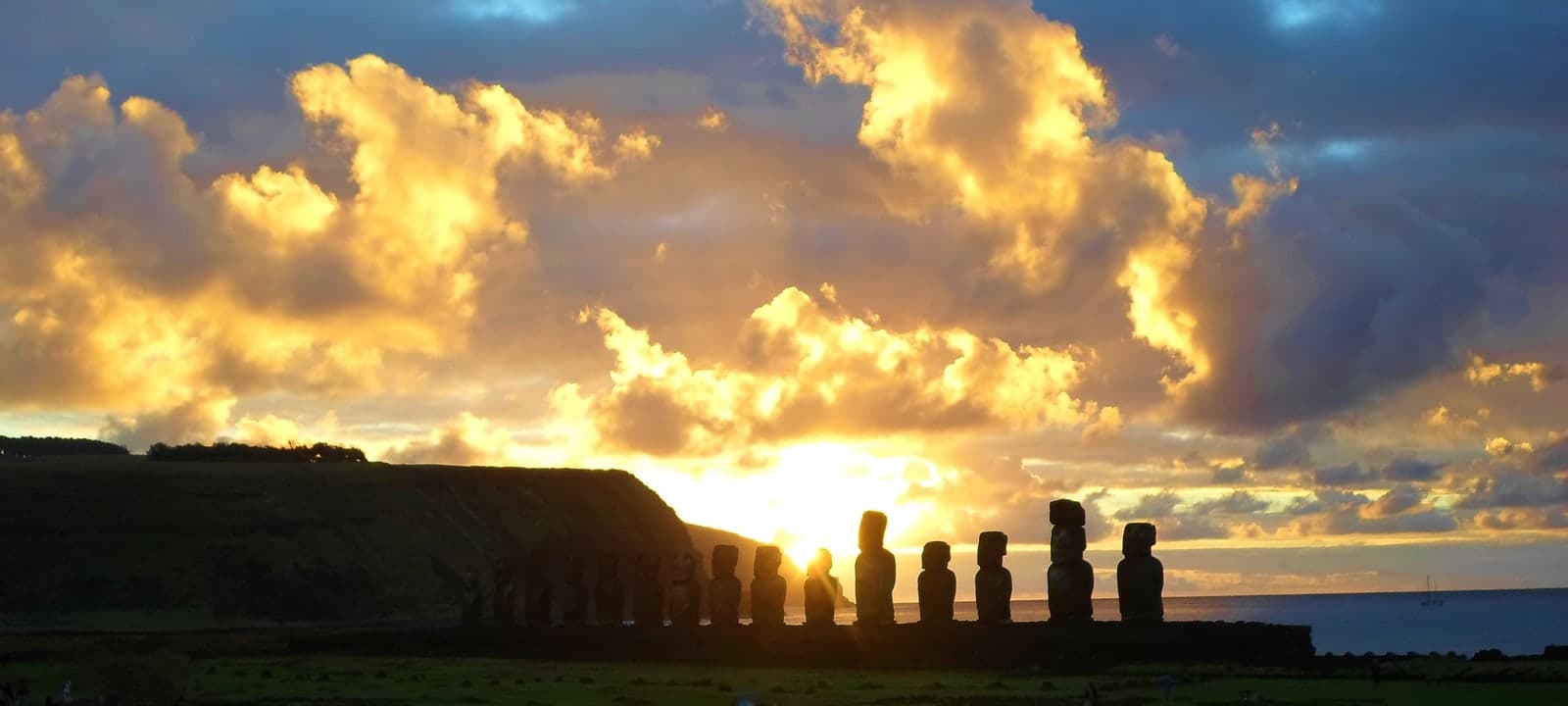
Prohibited conduct & conservation basics
Authorities and Ma’u Henua publish full visitor codes. This is a short checklist—on-site signs and staff override anything here:
- Do not climb, sit on, or lean against moai, ahu platforms, or petroglyphs.
- Stay on marked trails and public visitation perimeters; do not enter closed or recovery zones.
- Do not touch, paint, scratch, or add graffiti to stone or archaeological features.
- Do not remove rocks, fragments, or any archaeological material.
- Pets are not allowed in archaeological visitation sectors.
- Recreational drone flights are generally banned over the park and cultural sites unless you hold a specific authorisation.
- Open fires, informal camping, and littering are not permitted inside protected sectors—use designated facilities and bins.
- Smoking and alcohol consumption are typically banned in archaeological visitation areas.
- Commercial filming or photography for profit usually requires a permit from the competent authority and park managers.
- Respect quiet and cultural dignity at ceremonial places; loud parties or disruptive behaviour may be removed from the site.
- Cycling or driving off permitted routes can damage soils and is restricted—follow local traffic and park signage.
Respect for Rapa Nui people & living culture
These are ancestral lands and sacred places, not amusement parks. Follow guides and locals, ask before photographing people or private property, and do not use monuments for stunts or viral posts.
Official sources (verify before travel)
Ma’u Henua and rapanuinationalpark.com list prices, guides, hours, and rule changes. CONAF’s park sheet (Spanish) covers ecology and access. Island entry (FUI) is a separate Interior Ministry process—see our Entry page.