Ma’u Henua
Indigenous community · park concession · Rapa Nui governance
Ma’u Henua holds the national park concession. Here: how it formed, why it exists, the handover, and what it does now.
Formation
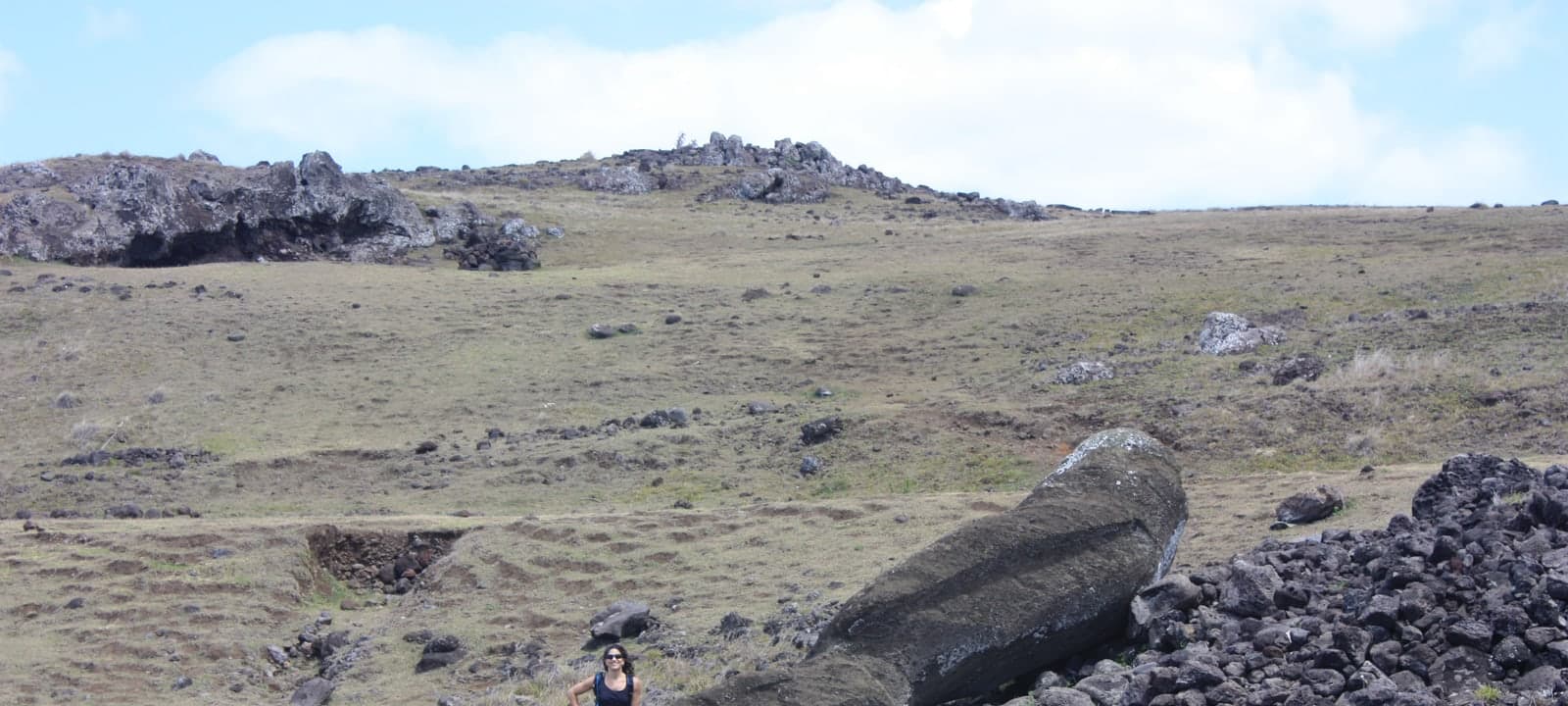
Formally established 2 July 2016 as an organisation of Rapa Nui people 18+, amid sharp debate over land, heritage, and who should govern the park’s archaeological estate.
Legal personality let the nation negotiate as one party with the Chilean state under indigenous law and protected-area policy.
Why it exists
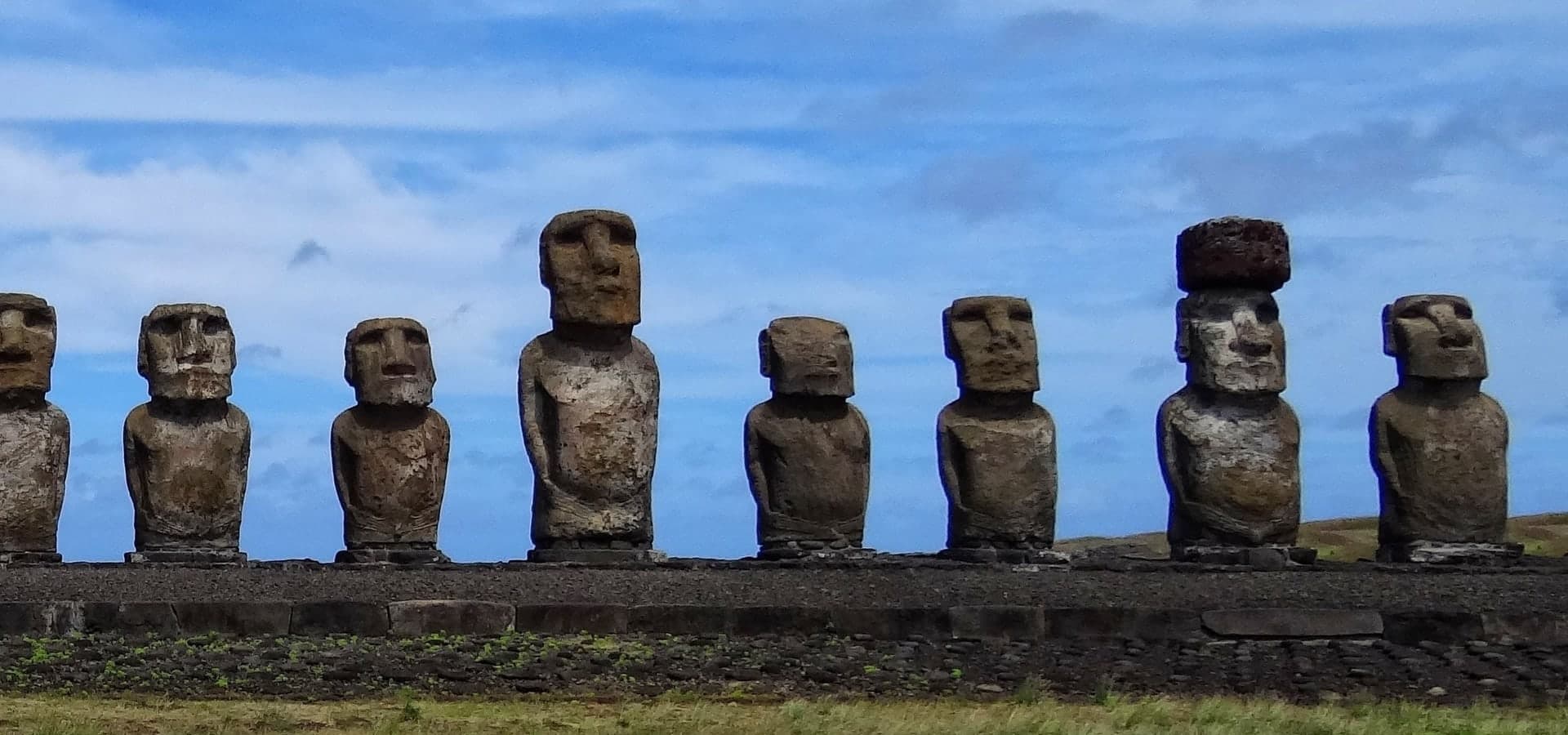
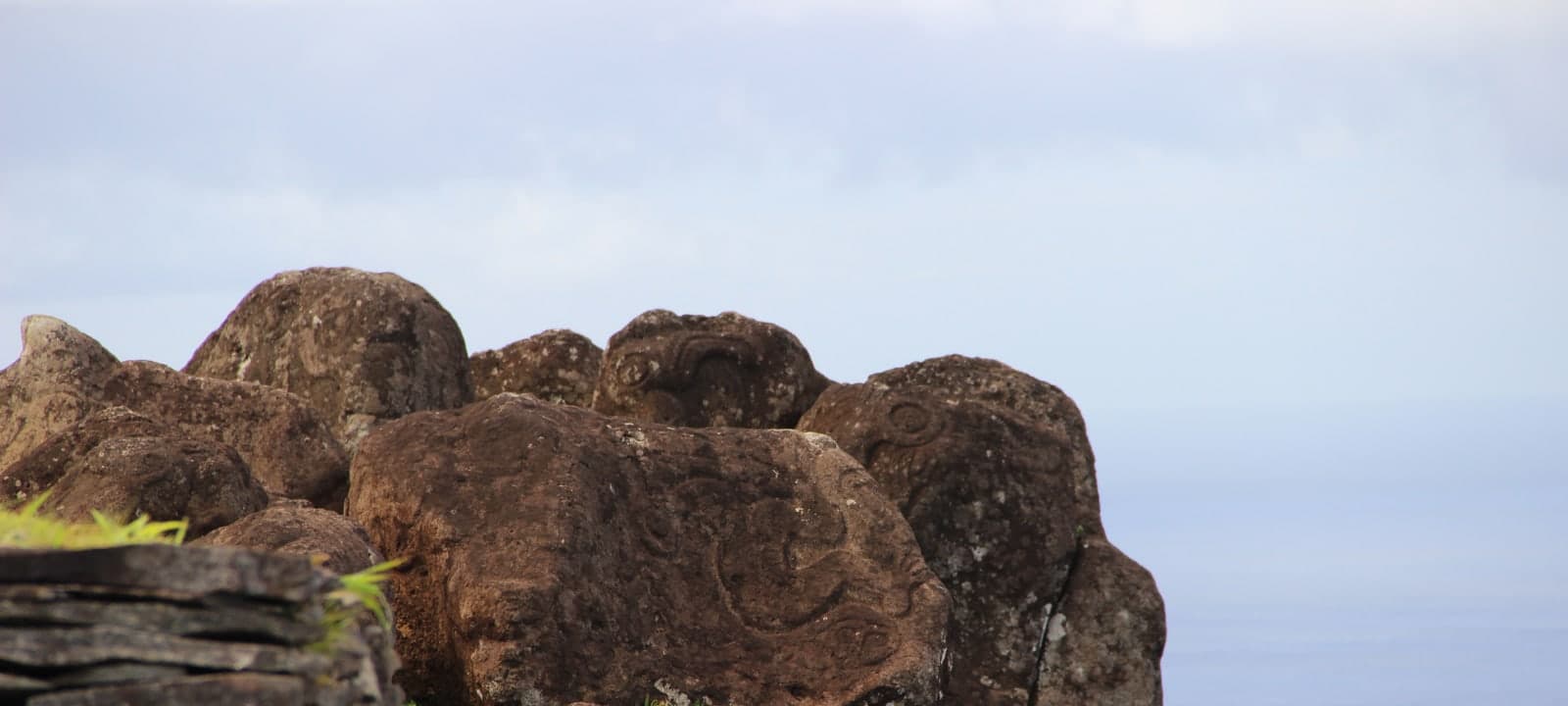
It anchors self-determination where UNESCO-listed landscape meets ancestral land—moai, ahu, villages, and sacred places as living culture, not museum exhibits.
Consultation around 2015–2017 showed strong support for community-led governance with conservation safeguards instead of distant administration.
Transfer of administration
In 2016 Chile began co-administration of the park between CONAF and Ma’u Henua. In November 2017 President Michelle Bachelet signed documents transferring administration; the 50-year renewable concession took practical effect in March 2018.
Under the concession Ma’u Henua organises tickets, accredited guides, visitor centres, and daily operations while remaining subject to Chilean environmental and heritage law.
Role today
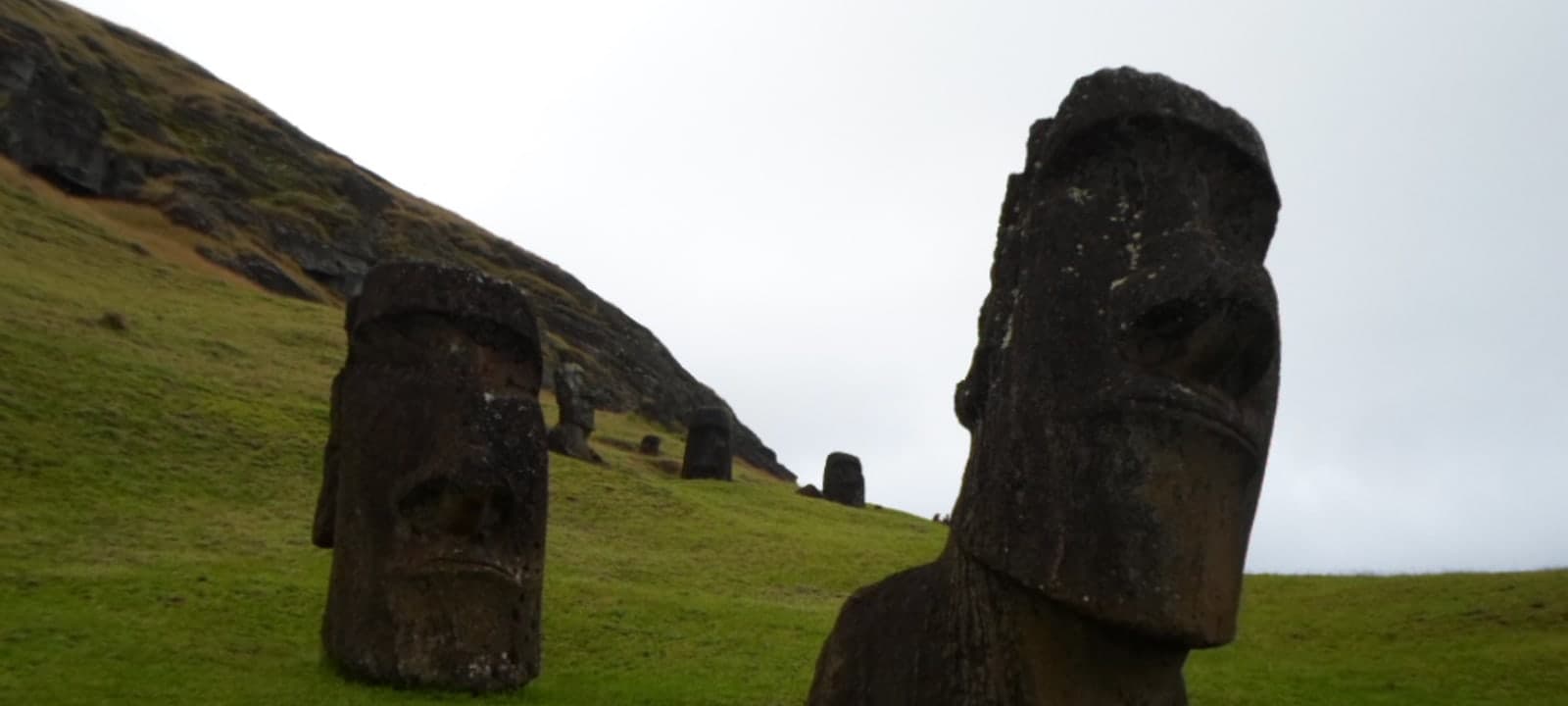
Visitors encounter Ma’u Henua through ticket sales, guide accreditation, official websites such as rapanuinationalpark.com, and on-site staff explaining rules for fragile sectors like Rano Raraku and Orongo.
The community frames its work as combining conservation, cultural dignity, economic sustainability for island residents, and transparent stewardship of a UNESCO property.