National park
UNESCO World Heritage · volcanic island · community-led stewardship
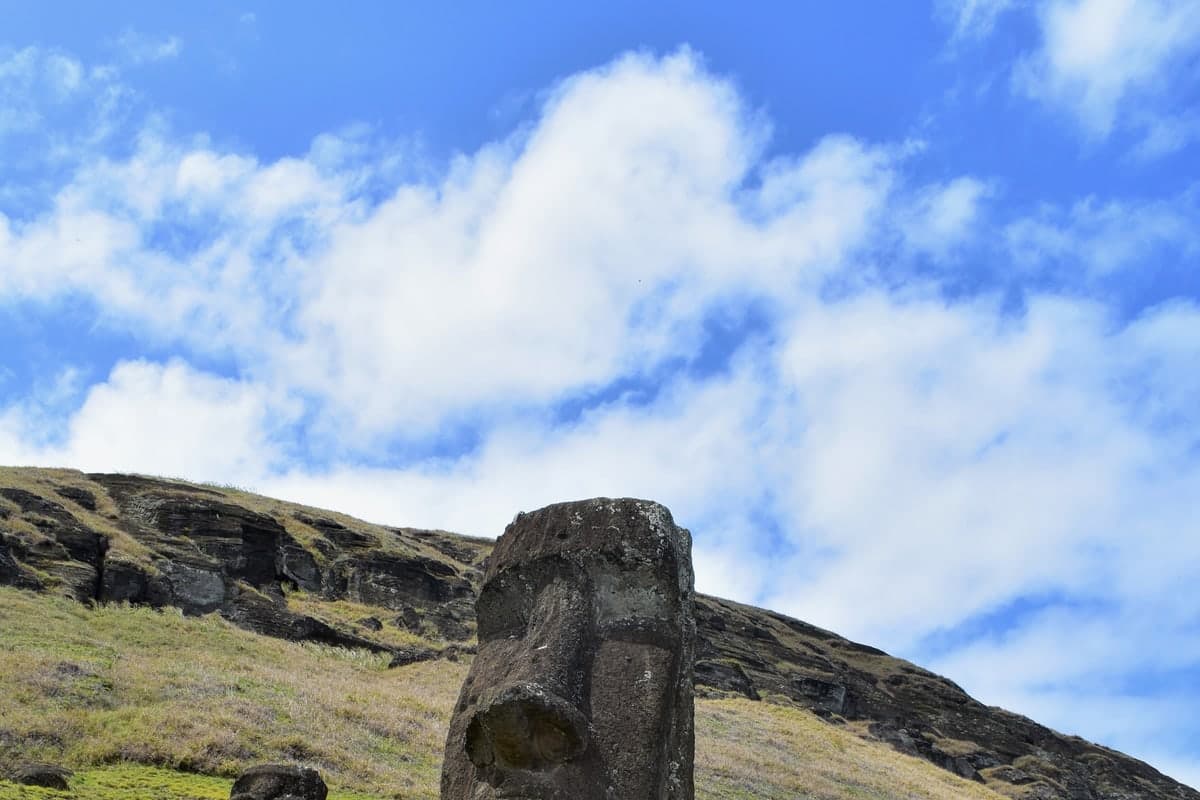
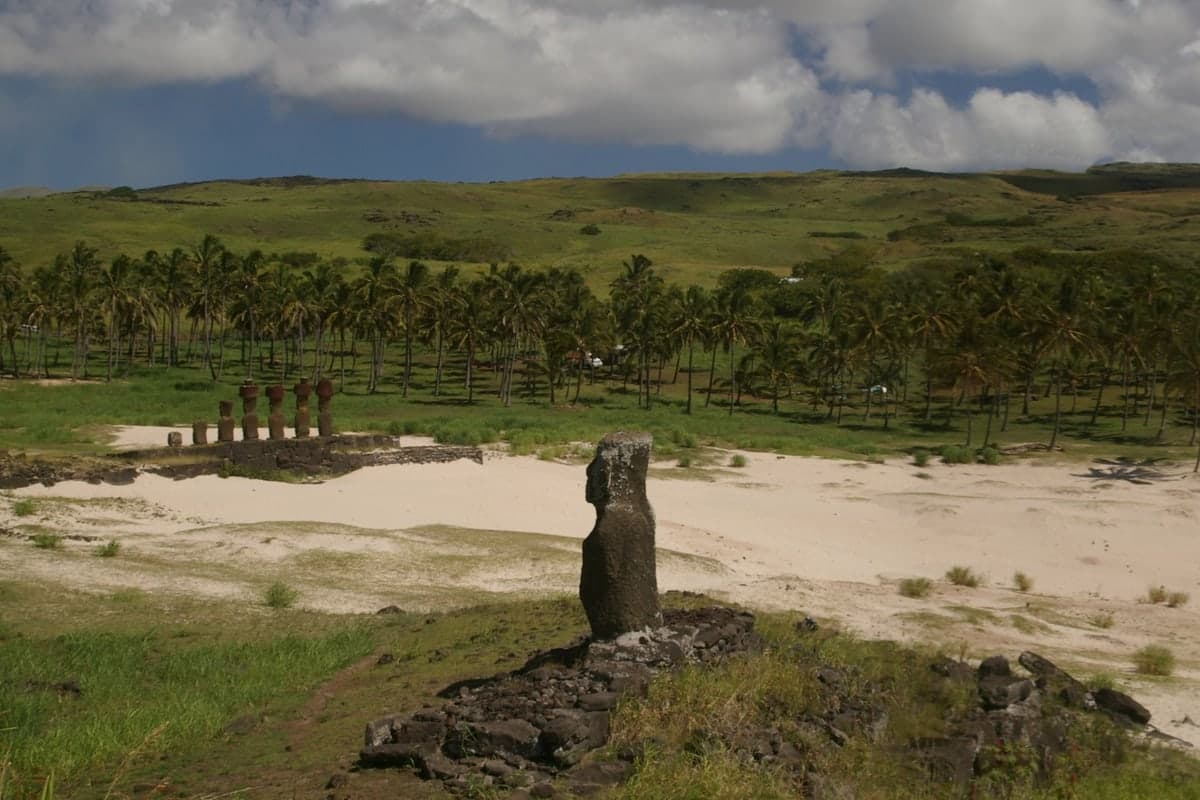
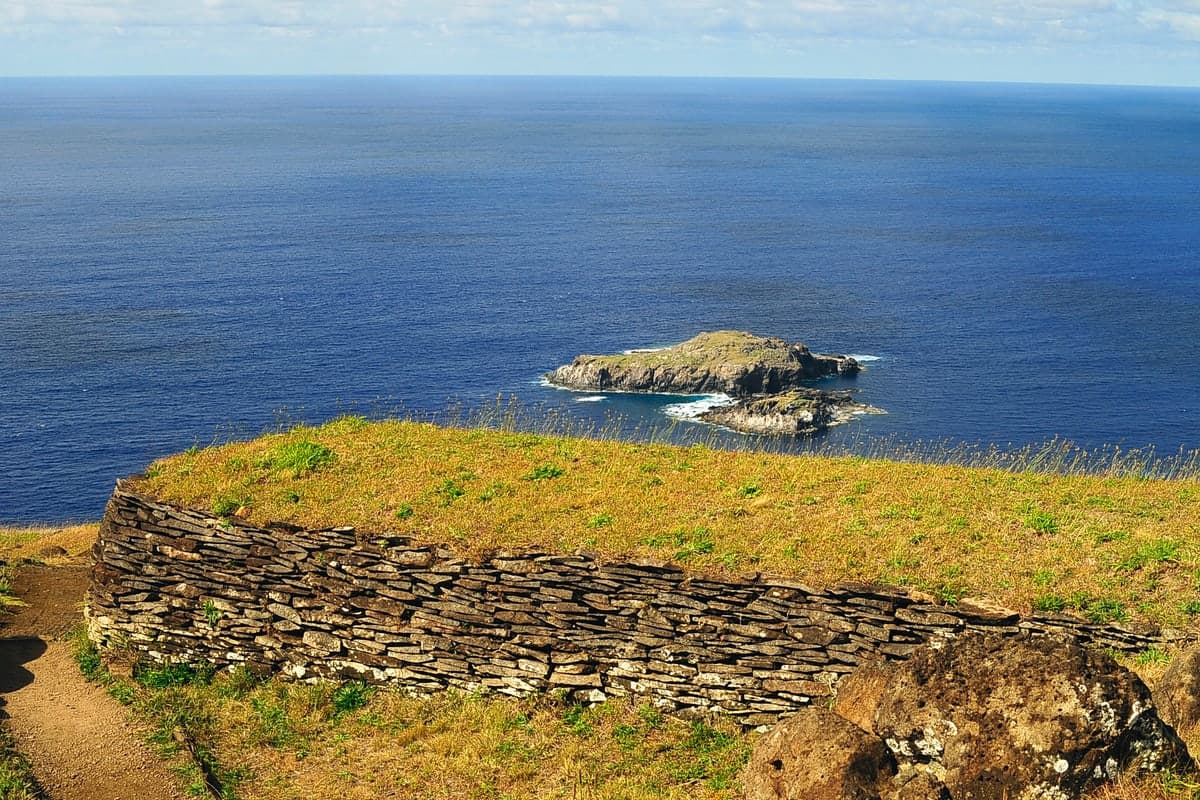
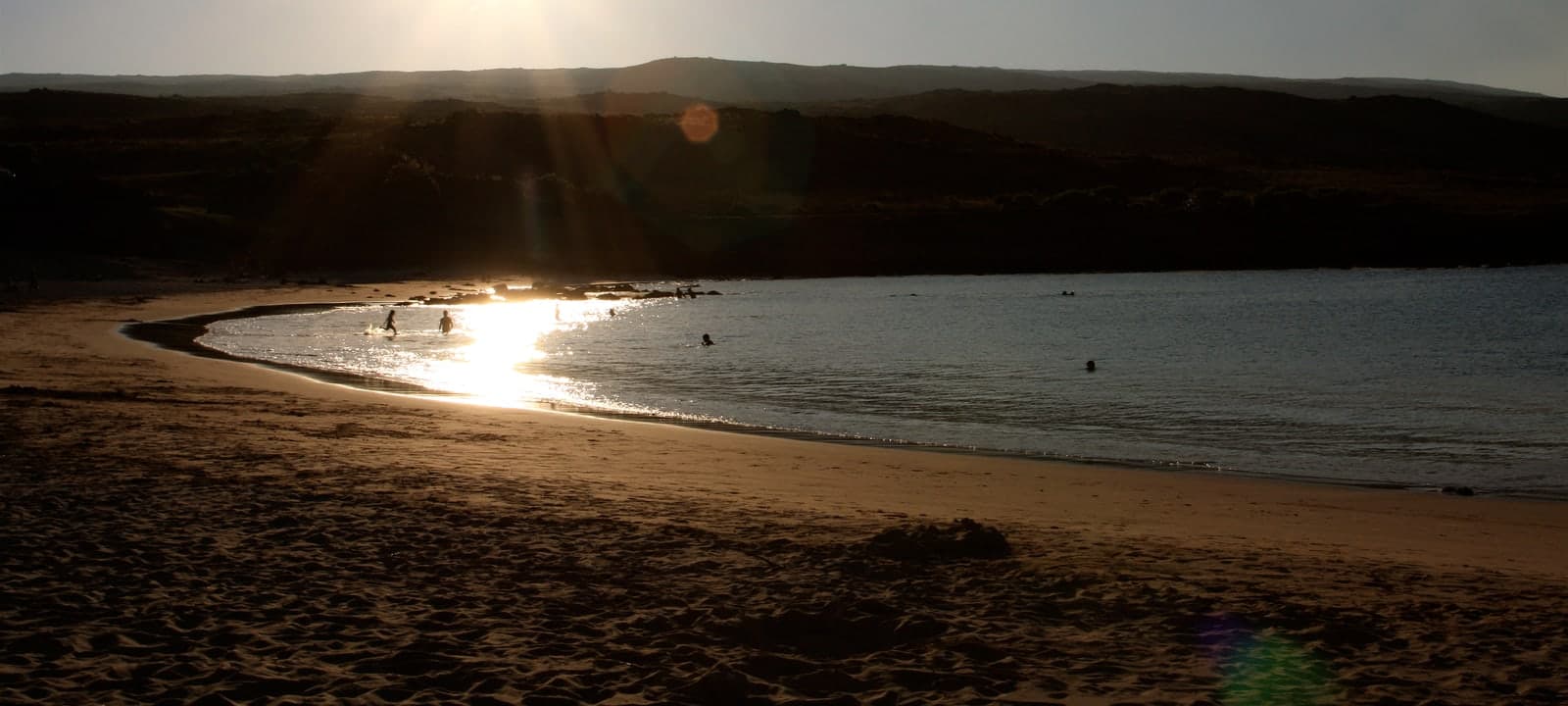
Coastline, open ocean, and wide island horizons.
43.5%of the island protected as national park (published figures)
1995UNESCO World Heritage inscription (cultural)
1935National park & national monument (Chile)
Park admission ticket
Most famous archaeological sectors are in the park. Buy tickets on official channels before you go; most routes need an accredited guide. See Buy ticket for where and how.
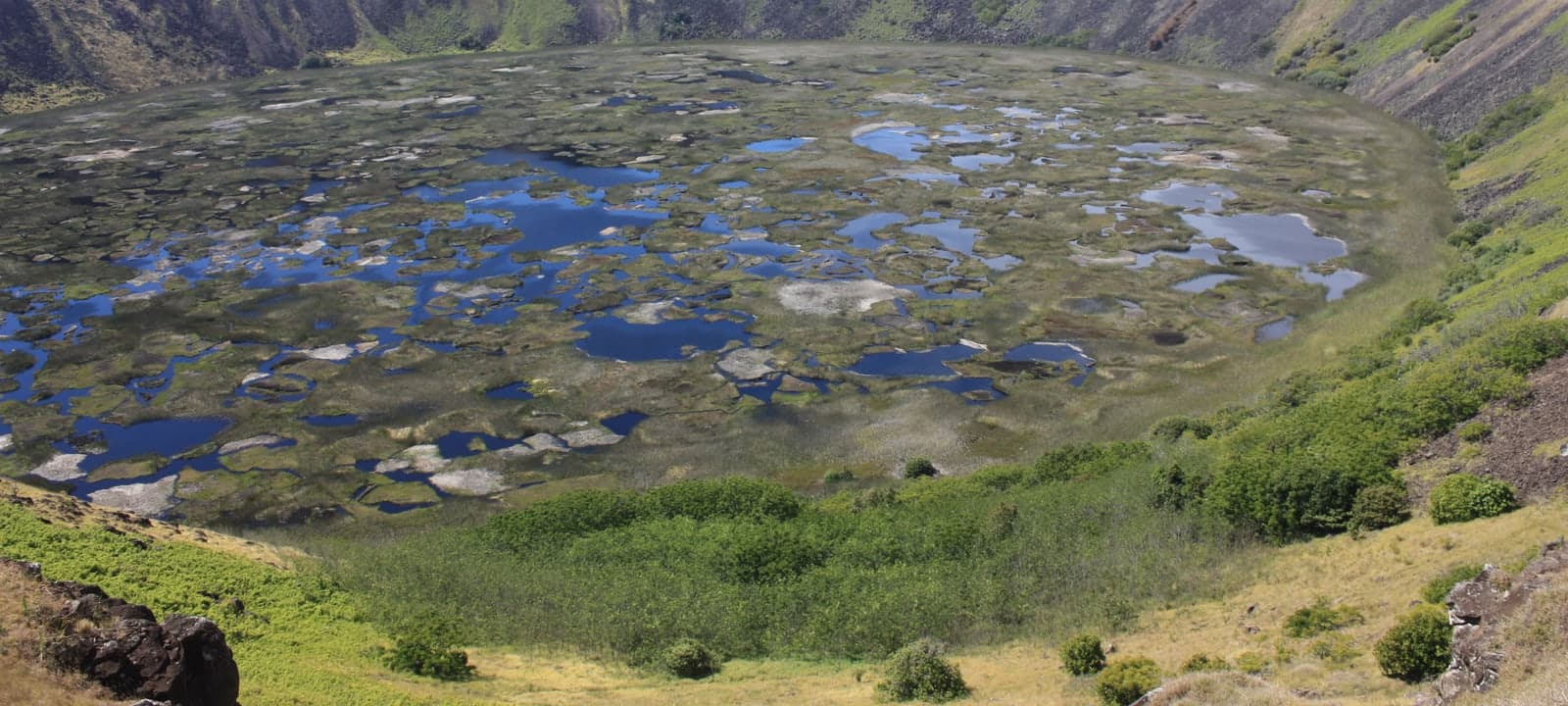
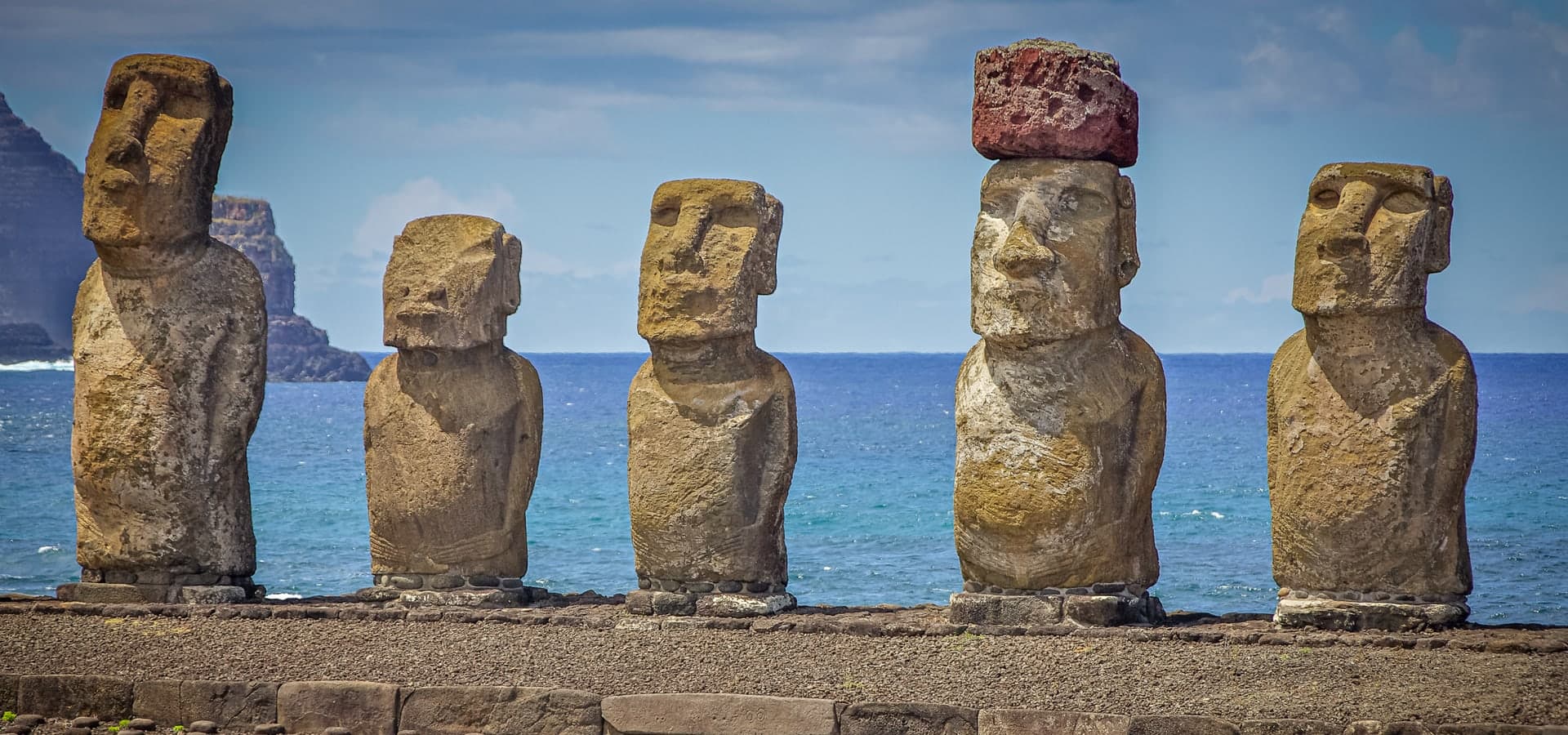
Buy ticket — how and whereRapa Nui National Park protects archaeological sites, villages, volcanic craters, and coastlines where moai, ahu, and living Rapa Nui heritage meet.
Published figures cite about 7,151 ha (~43.5% of the island) in several parcels, including motu islets. CONAF’s unit sheet may round differently—use the latest official numbers.
National park and national monument since 1935 (toromiro and archaeology). Current boundaries: Supreme Decree 72, 20 March 1995. UNESCO World Heritage (cultural) since December 1995.
Park ticket and accredited guide
Most archaeological sectors need a park ticket and an accredited guide. Rano Raraku and Orongo have tighter rules, including repeat-visit limits. Check official sites before travel.
Ma’u Henua, rapanuinationalpark.com, and CONAF cover tickets, guides, and conservation. Our travel guide links park rules and local tours.
Ma’u Henua
Ma’u Henua is the Rapa Nui community body formed in July 2016. After consultation and agreements, Chile awarded a 50-year renewable park concession, effective from 2018. It runs tickets, accredited guides, visitor services, and on-site care of the UNESCO site under Chilean law.
CONAF
CONAF runs Chile’s forests, wildfire response, and protected-area network (SNASPE). It ran Rapa Nui National Park for decades; since 2016 management shifted to co-governance with Ma’u Henua, then Ma’u Henua’s concession, while CONAF stays in the national parks framework.